Structure in Grief: Rituals and Actions That Create Meaning Amid Loss

Structure in Grief: Rituals and Actions That Create Meaning Amid Loss
When we lose someone we love, grief can feel like a storm without direction—raw, unpredictable, and consuming. In the midst of that chaos, structure can offer a sense of steadiness. Rituals and small, intentional actions can help us make meaning of loss, mark transitions, and give our sorrow a place to rest.
This article explores how both traditional and personal rituals can support us as we learn to live with loss.
Rituals as Anchors in an Unsteady Time
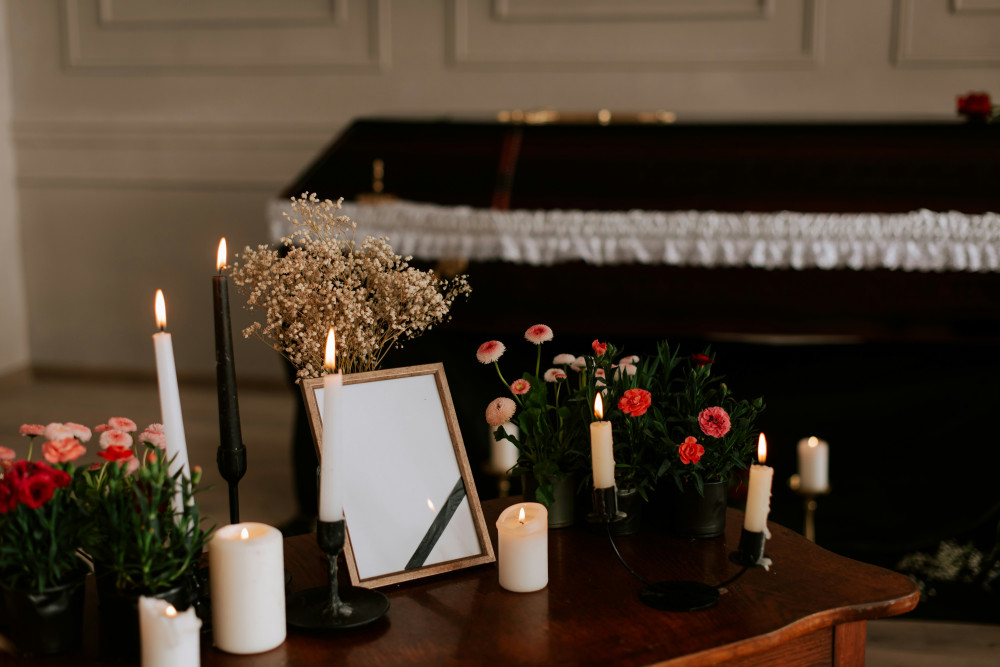
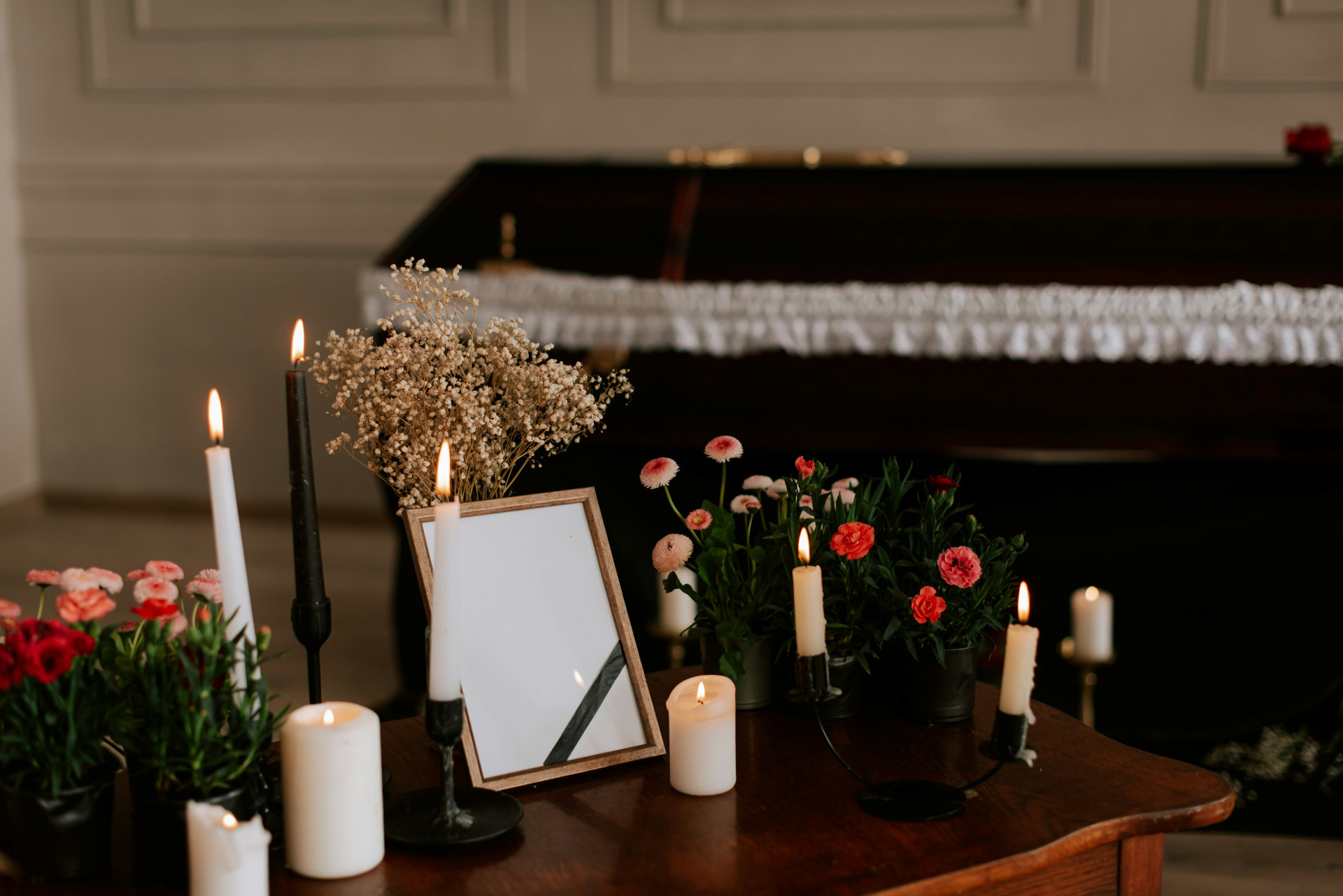
Rituals have long been part of how humans navigate grief. They provide a framework when everything else feels uncertain. A funeral, a memorial service, or even the simple act of lighting a candle are not just symbolic gestures—they are ways of acknowledging that something has changed.
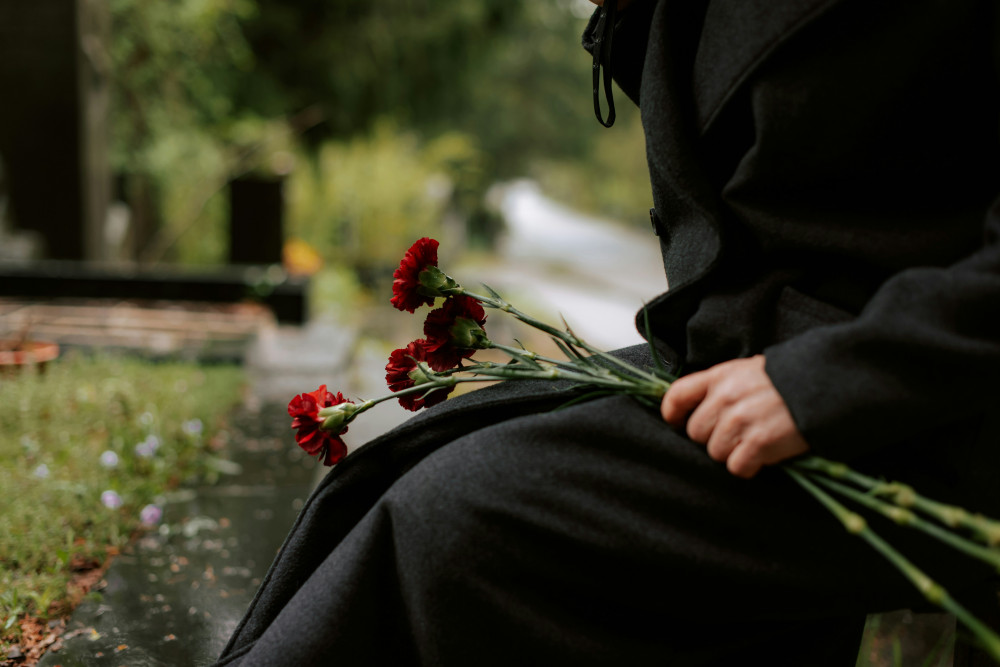
Some rituals are communal and formal, while others are quiet and private. One person might find comfort in visiting a gravesite on certain dates; another might write letters to the person who has died or play a song that reminds them of shared moments. What matters most is not the form, but the sense of connection and continuity it brings.
Everyday Rituals That Bring Calm
Grief doesn’t only appear in the big moments—it weaves itself into daily life. That’s why small, repeated actions can help create stability and rhythm.
- Morning coffee by the window, taking a moment to think of the person who is gone.
- A daily walk at the same time each day, giving the body movement and the mind space to breathe.
- A photo or keepsake displayed at home, serving as a quiet reminder of love that endures.
These small rituals may seem simple, but they help ground us when everything else feels uncertain.
The Power of Community
Grief can feel isolating, yet rituals also connect us to others. When we gather for a memorial, share stories, or simply eat together after a funeral, we carry the weight of loss collectively.
Many people find that speaking the name of the person who has died, telling stories, laughing, and crying together are essential parts of healing. These shared moments remind us that love continues to exist in the relationships among the living.
In the United States, community support often takes many forms—church services, neighborhood gatherings, or online remembrance groups. Each offers a way to share grief and to be reminded that we are not alone.
Læs også:


Creating Personal Rituals
There is no single right way to grieve. Some find comfort in long-standing traditions; others create their own. It might mean planting a tree, keeping a journal, assembling a photo album, or taking an annual trip to a place that held meaning.
Creating a personal ritual is about finding an action that feels authentic—something that allows you to express your loss while maintaining a sense of connection to the person who has died.
When Grief Changes Shape
Over time, grief evolves. It may not disappear, but it takes on a different form. Rituals can evolve with it. They might become less frequent or take on new meaning, but they continue to offer a way to honor memories and to remind us that love does not vanish, even as life moves forward.
Finding structure in grief is not about controlling it—it’s about giving it space. When we create small frameworks for our sorrow, we give ourselves permission to live with it, to carry it gently, and to slowly find meaning amid the pain.
Læs også: