Scent, Temperature, and Texture: How Your Senses Shape Your Taste Experience

Scent, Temperature, and Texture: How Your Senses Shape Your Taste Experience
When we sit down to eat, it’s easy to think that taste happens only on the tongue. But in reality, our experience of flavor is a symphony of senses working together. Smell, temperature, and texture all play crucial roles in how we perceive food. In fact, research suggests that as much as 80 percent of what we call “taste” actually comes from our sense of smell. So how do these senses interact—and how can understanding them make your meals more enjoyable?
Scent – the hidden star of flavor
Smell is often the first sense to engage when we encounter food. Before we even take a bite, aromas trigger memories and expectations. The smell of freshly brewed coffee, sizzling bacon, or a loaf of bread just out of the oven can make us hungry before the plate even hits the table.
As we chew, aromatic compounds travel from the mouth up to the nose through the back of the throat, activating the olfactory system from within. That’s why food tastes dull when you have a stuffy nose—without scent, flavor loses its depth. Smell and taste are inseparable partners, working together to create the full experience of eating.
Temperature – more than hot or cold
Temperature doesn’t just change how food feels—it changes how it tastes. Warm foods tend to release more aroma molecules, intensifying flavor, while cold foods can mute them. That’s why a warm brownie tastes richer than one that’s cooled, and why a chilled glass of white wine feels crisp and refreshing.
Temperature also shapes our expectations. A lukewarm bowl of soup feels wrong, just as a warm salad can seem unappetizing. Our brains associate certain temperatures with certain foods, and when those expectations aren’t met, the experience feels off. Getting the temperature right is as much about comfort as it is about taste.
Læs også:


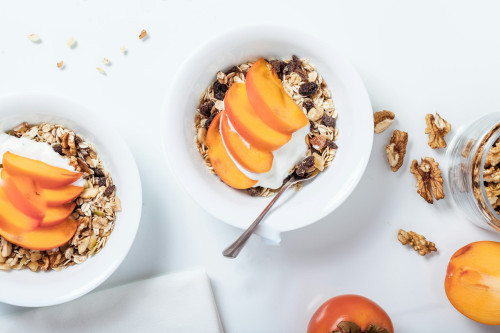
Texture – the feel of flavor
Texture, or mouthfeel, is the sense of touch inside the mouth. It’s about how food feels when we bite, chew, and swallow—whether it’s crunchy, creamy, chewy, or airy. Texture can be just as important as flavor itself.
Think of the satisfying crunch of a potato chip, the smoothness of mashed potatoes, or the tenderness of a perfectly cooked steak. Variety in texture keeps a meal interesting, while monotony can make it dull. That’s why chefs often pair contrasting textures—like a silky soup topped with crisp croutons or a soft dessert with a crunchy garnish—to create balance and excitement.
The harmony of the senses
The magic of flavor happens when all the senses come together. A fragrant, warm, and velvety soup feels comforting and rich, while a cool, crisp salad feels light and refreshing. Change one element—say, serve the soup lukewarm—and the entire experience shifts.
Even sight plays a role. The colors and presentation of a dish influence our expectations before we taste it. A beautifully plated meal can seem more delicious simply because it looks appealing. Our brains “taste” with our eyes long before our tongues get involved.
How to use your senses more mindfully
Understanding how your senses shape taste can make you a better cook and a more mindful eater. Here are a few simple ways to put that knowledge to use:
- Smell as you cook – Let your nose guide you. Adjust seasoning and ingredients based on aroma, not just taste.
- Pay attention to temperature – Serve hot dishes hot and cold dishes cold to bring out their best flavors.
- Play with texture – Combine creamy and crunchy, soft and crisp, to add interest and contrast.
- Make it look good – Presentation matters. Color, shape, and arrangement all influence how we perceive flavor.
When you start thinking of food as a full sensory experience, even a simple meal becomes more memorable. It’s not just about what’s on the plate—it’s about the warmth, the aroma, the texture, and the feeling each bite brings. That’s what turns eating into an experience worth savoring.
Læs også: