Play Responsibly – Don’t Let Wins and Losses Control Your Finances

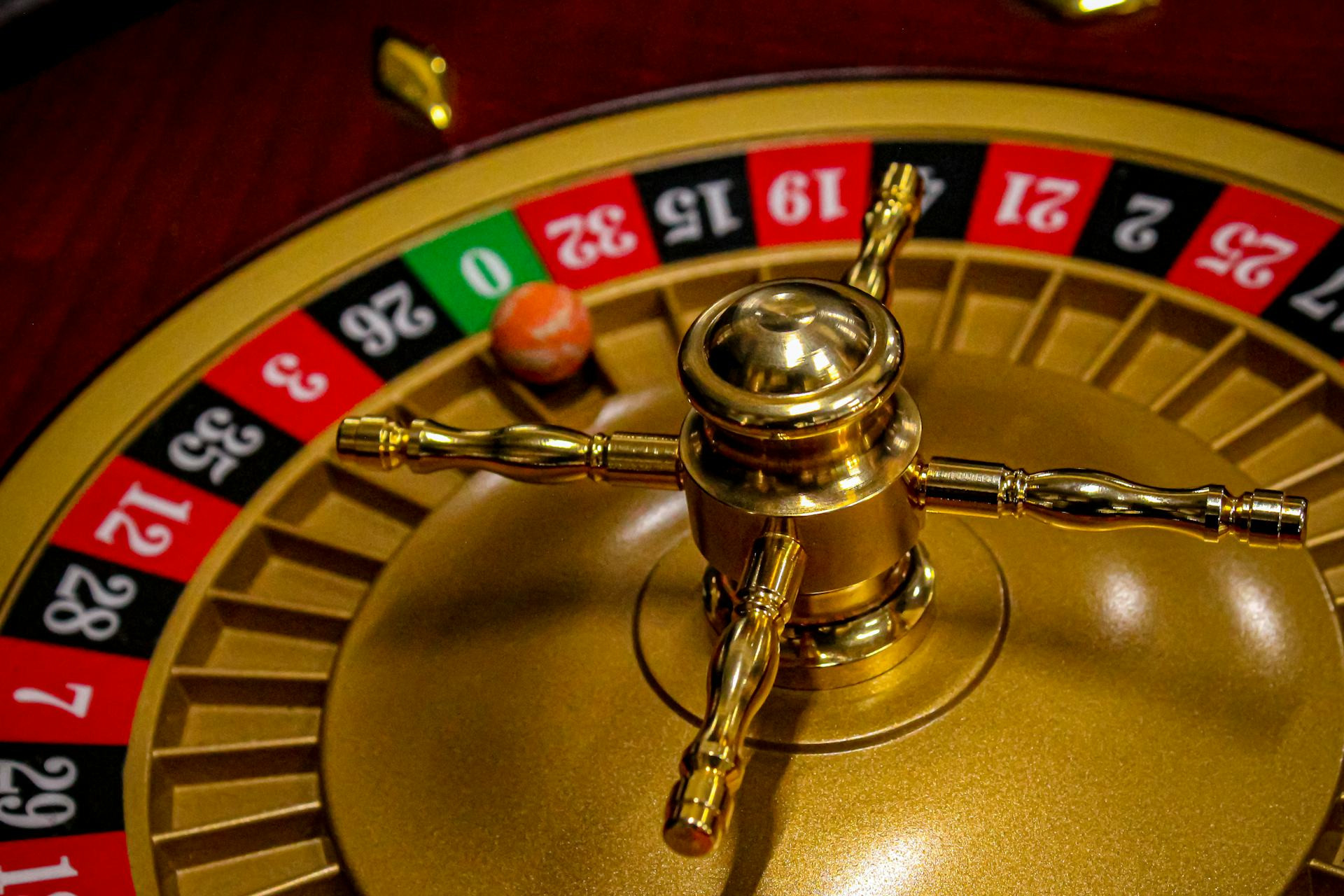
Play Responsibly – Don’t Let Wins and Losses Control Your Finances
Gambling can be fun, exciting, and a way to add a little thrill to your day. For many people, it’s a form of entertainment—whether it’s a few hands of poker, a sports bet, or a spin on an online slot. But for some, what starts as harmless fun can begin to affect their finances, mood, and relationships. That’s why it’s important to play responsibly and know your limits.
Gambling Should Be Entertainment – Not a Source of Income
The first step toward responsible gambling is to see it for what it is: entertainment. The odds are always in favor of the house, and the chance of winning big is small. If you gamble with the expectation of making money, you risk losing control quickly.
Set a clear purpose for your gambling: to have fun. When you treat gambling as an expense—like going to a concert or dining out—it becomes easier to manage how much you spend and to know when it’s time to stop.
Know Your Budget – and Stick to It
One of the most effective ways to gamble responsibly is to set a budget. Decide in advance how much you can afford to spend on gambling each week or month, and stick to that limit—no matter whether you win or lose.
- Create a separate gambling fund: Only use money you can afford to lose.
- Set time limits: Decide how long you’ll play before you start.
- Stop when you reach your limit: It can be tempting to keep going, but this is when discipline matters most.
Managing your gambling budget isn’t about taking the fun out of it—it’s about making sure it stays a positive experience.
Læs også:


Losses Are Part of the Game – Don’t Chase Them
Everyone who gambles experiences losses. It’s part of the game. The problem arises when you try to win back what you’ve lost. Chasing losses can lead to impulsive decisions, higher bets, and serious financial trouble.
If you notice that you’re gambling to “make up” for a loss, take a break. Step away, do something else, and only return when you can see gambling as entertainment again—not as a way to fix your finances.
Watch for Warning Signs
It’s not always easy to recognize when gambling is becoming a problem. But there are warning signs to look out for:
- You gamble to escape stress or negative emotions.
- You spend more time or money gambling than you planned.
- You hide your gambling from family or friends.
- You feel anxious or irritable when you’re not gambling.
If any of these sound familiar, take it seriously. Talk to someone you trust or reach out for professional help. In the U.S., you can contact the National Problem Gambling Helpline at 1-800-GAMBLER (1-800-426-2537) for free, confidential support 24/7.
Use the Tools Available
Many licensed gambling operators in the U.S. offer tools to help you play responsibly. You can:
- Set deposit limits – to control how much you can spend.
- Take time-outs – to temporarily suspend your account.
- Track your spending – to see how much you’ve wagered over time.
You can also register with self-exclusion programs, which allow you to block access to licensed gambling sites and venues for a set period. This can be a helpful step if you need a longer break.
Talk Openly About Gambling
Gambling can be a sensitive topic, especially if you’ve experienced losses or worry about your habits. But talking about it can make a big difference. Share your experiences with friends or family—they can offer support and help you stay accountable.
If you know someone who might be struggling, approach them with understanding, not judgment. Many people who face gambling problems feel ashamed, so compassion and openness are key.
Play Responsibly – and Keep the Balance
Playing responsibly doesn’t mean you have to stop gambling altogether—it means keeping it in balance. When you manage your money wisely, know your limits, and treat gambling as entertainment, you can enjoy it without worry.
Remember: the best win is the feeling of control—and that’s a prize you can always keep.
Læs også: